


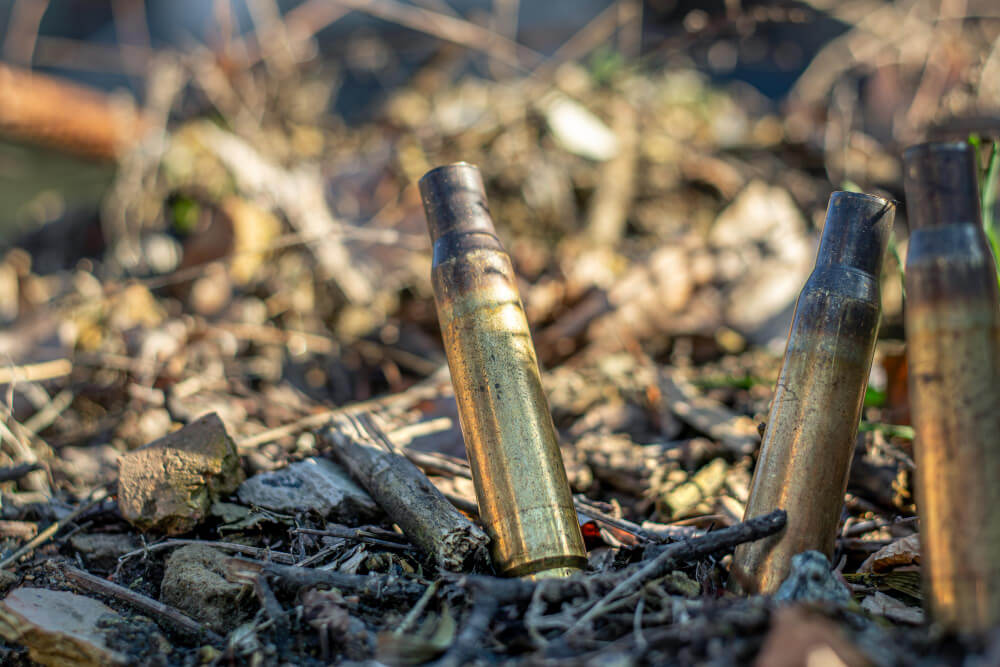
If you reload rifle ammunition, you probably already know: large rifle primers have been either missing from shelves or selling at high prices for several years. You see them at a shop, but by the time you grab a box, they’re gone. Hunters, target shooters, and even casual reloaders are all asking, “Why are these little metal cups so hard to find?”
Let’s get into what’s behind the shortage and what’s actually changing as we go into 2025.
When Demand Spikes, the Shelves Go Empty
First, let’s talk about why demand for large rifle primers went through the roof. When COVID-19 hit, a lot changed in the firearms industry and for people who enjoy shooting or hunting, it got weird fast. Suddenly, the usual brands of ammo and reloading gear were out of stock everywhere.
People who’d never thought to reload their own cartridges started stocking up on anything they could get. The worry wasn’t just about wanting to shoot for fun. Many folks were concerned about politics, personal safety, and supply chain problems.
Shops saw waves of new and returning customers, all buying powder, bullets, and especially primers. The large rifle ones got hit the hardest, partly because there are fewer people making them and fewer places you can buy them compared to standard or small primers.
Supply Chains Take a Hit
Then came the global supply chain headache. It wasn’t just one thing; it was several problems at once. During the worst months of the pandemic, factories slowed down because workers got sick or had to quarantine. Trains and trucks ran late or didn’t run at all, which left critical materials like metals and chemicals sitting in containers or warehouses.
If a primer manufacturer in Idaho needs special metal from overseas, that metal might end up stuck at a port for weeks. One missing ingredient, and the whole line slows down.
Eventually, those delays add up. Even after things started opening back up, catching up hasn’t been easy. There is now a weird lag in the system, where demand bounces back much faster than production.
Only a Few US Companies Make Primers
A lot of people are surprised to learn how few American manufacturers actually make primers in the first place. For rifle and pistol sizes, almost all of it comes from Federal, Winchester, CCI, and Remington.
Remington, for example, used to be a big source of primers. But Remington went through bankruptcy and major changes over the past few years. At the worst point, their primer plant was idle. Orders for Remington products piled up, but none could be filled. That’s one less source for reloaders until they reorganized and started making primers again.
The other companies have their own limits. These plants were never built with an eye toward a global pandemic or sudden runs on ammunition. They run close to capacity during “normal” years. Demand spikes? It’s not as simple as flipping a switch.
Building a new factory takes time and a mountain of paperwork for explosions, hazardous materials, and labor rules. Expanding what’s already there means more shifts, more workers, more equipment none of which happens quickly.
Short on Materials, Especially the Hard-to-Get Stuff
Even if you have all the machines and workers in place, you still need the right raw materials. If you’ve never heard of antimony, you’re not alone. It’s a minor metal that most people never think about. But it’s actually really important for making primers.
Antimony is used for making the priming compound the spark that fires off the powder in a cartridge. It turns out, most of the world’s antimony is controlled by China. If international shipping is slow, or the political situation is tense, getting enough antimony becomes a serious problem. Prices go up, and factories can’t always get what they want.
Other materials, like specific acids, metals, and chemicals, are also sometimes hard to buy. When you do find them, you might pay three times the old price.
Who Gets the Primers First? The Government Usually
Here’s something most casual shooters don’t realize: civilian shooters are not the top priority for primer makers. Military and police contracts usually come first.
If the U.S. government wants millions of rounds for training or deployment, those orders get filled before any hunting or reloading supplies are made. Plant managers have talked about this openly. Some hunting cartridges only get produced after all the “big” orders are out the door.
This means civilians see weird gaps in supply. One week, your local store might see a short shipment, then nothing for a month.
This effect is even bigger during election years, times of political tension, or when military budgets ramp up. Basically, if there’s a surge in government orders, the rest of us will feel it.
Trying to Fix It: New Factories, Higher Prices, and Waitlists
Now, a few years into this shortage, manufacturers are starting to catch up. Big companies are putting real money into new plants and better equipment.
White River Energetics, for example, is opening a large primer plant in Arkansas in 2025. There’s also talk about upgrades at older sites, better automation, and hiring more workers. That’s good news for reloaders who have been waiting for any sign of improvement.
Still, don’t expect overnight changes. The industry can’t add millions of new primers a week right away. The big bump in production will happen slowly first fulfilling old orders, then restocking stores.
Meanwhile, some retailers now limit how much one person can buy in a single trip. The idea is to stop hoarding and keep primers available for more people. But it also keeps prices high and makes it tough if you need more than a pack or two for hunting season.
If you look at online shops, you’ll see some specific types like large rifle magnum primers come and go. Sometimes, one brand is available, while others are totally missing. Backorder wait times can be anywhere from a few weeks to a few months.
How Prices and Buying Habits Have Changed
It used to be that primers cost a few cents each when bought in bulk. Today, the price can be two or three times what it was in 2019. Some stores have even started auction–style selling for their primer stock, which sounds wild but shows how much demand there is.
People have gotten creative. Some shooters organize group buys online or alert each other when shipments hit local shops. There are websites set up to send alerts the second inventory comes in. You see a pack, you buy fast or someone else grabs it.
For many reloaders, the shortage has changed how much they shoot. Some are skipping practice, postponing hunting trips, or even trading away other gear just to get primers.
Are We Near the End of the Shortage?
So, are things getting better? There’s some reason for hope. New investments and higher production could mean more supply by late 2025, according to some insiders.
The pace seems patchy, though. Even if one maker ramps up, a raw material hiccup or shipping glitch can send things sideways again. The next time there’s a global or political shakeup, we could be right back to empty shelves.
Industry folks say some types of primers, especially those for hunting and competition, might stay tight through the next couple years even if standard sizes become more available.
If you want a good resource for tracking these types of industry changes, you can check out sites like The Business Deck for ongoing updates. They monitor factory news, business investments, and trends that can affect ammo and components.
In short, it’s a tug-of-war between higher capacity, quirky supply issues, and whatever the next big event throws our way.
What’s Next for Large Rifle Primers?
Right now, every step forward feels a little like two steps back. Companies are adding new lines and increasing shifts, which should lead to more product on the market. Retailers are getting smarter about rationing and price controls. But that lingering demand is still bigger than supply.
We may never get back to the days of buying powder, bullets, and large rifle primers on impulse. Instead, keeping an eye out, watching forums, and maybe even pre-ordering might be the new normal for serious shooters and reloaders.
For now, if you find a decent price on primers even if it’s not your favorite brand it might make sense to pick up what you can. Slowly, as more production comes through and stores restock, the toughest days of the shortage may ease up. But like everything these days, it pays to stay flexible, pay attention, and hope for a little luck at the counter.
Also Read:
