


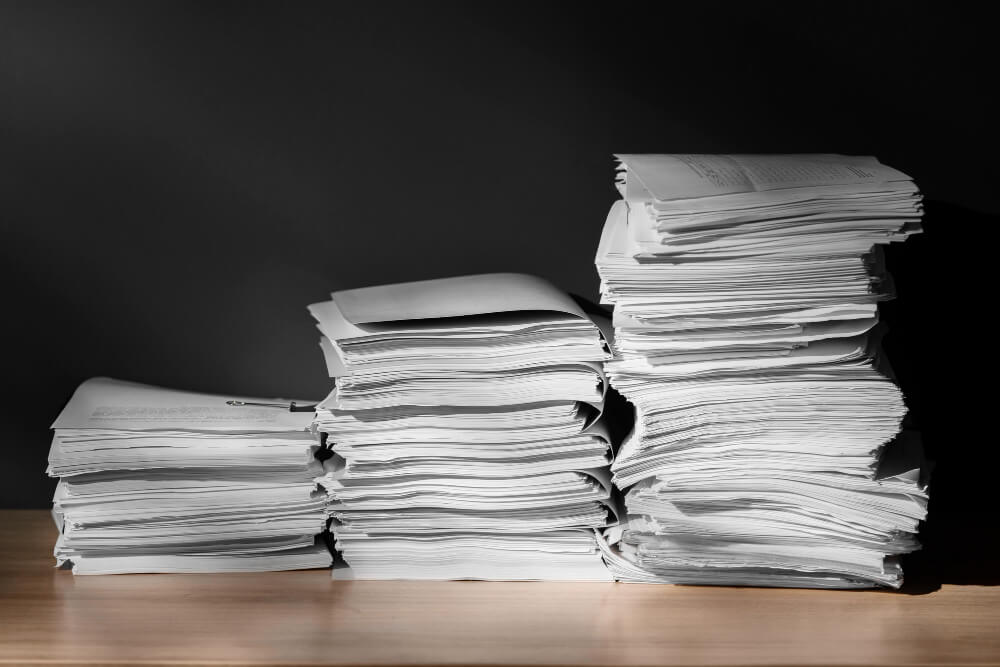
The paper business has been through plenty of changes over the past few decades. If you’re hearing recent rumors about another global paper shortage, it’s easy to feel a little déjà vu. But is there actually a paper shortage in 2026? Let’s unpack how we got here, what’s shifting right now, and where the market actually stands from graphic paper to packaging and beyond.
A Look Back: Paper’s Bumpy Ride Through 2020-2022
First, let’s rewind for a second. You might remember the headlines during the first couple years of the pandemic. All sorts of things were in short supply: masks, toilet paper, envelopes, even basic printing paper.
The paper market was hit hard by a perfect storm. Lockdowns and work-from-home trends slashed demand for the usual copy and printing paper almost overnight. Some paper mills shut down or switched over to making packaging materials. At the same time, paper producers faced cost headaches. Wood pulp prices jumped about 20%. Labor shortages slowed down entire chains of production, and shipping containers were scarce.
The result? Between late 2020 and mid-2021, the cost of some paper grades shot up by more than a third. Even the USPS publicly reported trouble sourcing things like stamps, labels, and envelopes. Still, as offices reopened and the supply chain untangled, most bottlenecks started easing by the end of 2022.
The deeper trend was already in motion, though. People were using less graphic paper for magazines, newspapers, and regular printers every year since the early 2000s. Digital alternatives and e-commerce kept shifting the demand.
Paper in 2026: Industry by Industry
Now, let’s skip ahead to today. Is paper truly hard to get in 2026? Not really but things look pretty different depending on which part of the business you’re talking about.
For traditional graphic papers, the slide continues. Mill closures and conversions are pretty common in Europe and North America. A lot of production that once went to glossy magazines or laser printer sheets is now being turned into packaging or specialty materials instead. An exception is China, where a little growth in “uncoated woodfree” paper is still happening. But the new capacity there also risks swamping the market with more supply than it needs.
Where things look brighter is with packaging and tissue products. Think of all those brown shipping boxes you stack up at home after online orders, or the cartonboard in a cereal box. This market keeps growing, mostly because of booming e-commerce and a big industry push to swap out plastics with more eco-friendly cardboard or kraft paper. Even toilet tissue and paper towels remain steady sellers.
That growth does occasionally hit short speed bumps economic uncertainty always plays a role. But analysts expect packaging and tissue to keep driving the global paper and pulp industry forward over the next decade.
What’s the Paper Market Worth These Days?
Just how big is paper, anyway? In 2026, the global pulp and paper market is valued around $357.6 billion. Forecasts point to it climbing to more than $416 billion by 2035. That growth is pretty much fueled by packaging and tissue.
In the second quarter of 2025, you could actually see oversupply in packaging materials like cartonboard eating into prices. New mills like Golbey RCB and Oulu FBB were ramping up, adding even more competition in Europe and North America.
Countries aren’t playing nice, either. Tariffs and trade disputes, like the US tossing up extra paper duties against Brazil, have made the market more competitive and unpredictable. Meanwhile, Europe’s paper industry is dealing with shrinking demand and too many mills for the work available. Some producers are even scheduling downtime to keep prices from tanking.
What’s Driving All the Changes Right Now?
Let’s break down the main factors sending ripples and sometimes waves through the paper world in 2026.
– **Geopolitics and Tariffs:** The big political powers keep butting heads. Tariffs flare up, and sometimes, mills in one region shut down because they can’t compete. That makes global pricing less predictable across the board.
– **Input Costs:** Paper doesn’t get made without a few base ingredients. Wood pulp, for instance, hasn’t been cheap. Energy prices swing up and down with oil and gas markets. Sometimes, just paying to keep the lights on at a paper mill is nearly as expensive as the pulp itself.
– **New Regulations:** Here’s a curveball the European Union’s Deforestation Regulation makes paper sourcing a more expensive and complicated process. Compliance adds a bunch of fees and requires new paperwork, especially around forest management.
– **Not Enough Graphic Paper Mills:** It might sound odd, but with so many traditional mills closing down, what’s left has a bit more pricing power. Even moderate demand for copy paper or books can cause price hikes if supply is tight.
– **Big Demand Swings:** E-commerce means packaging gets bought by the ton, while old-school printing and writing grades keep sliding. In Europe, for example, those grades fell by almost 7% recently.
Are We Still Seeing Shortages or Just Weird Supply and Demand?
If you’re worried about walking into an office supply store and finding the printer paper aisle empty, don’t be. As of 2026, there’s no “widespread paper shortage” like we saw in early 2021. What we see now is a market trying to balance itself after years of fast swings.
Graphic paper is still becoming less common, but that’s structural it’s a planned shift, not a crisis. In other words, the mills that decided to make more packaging paper instead of glossy magazine sheets are doing it on purpose, responding to less demand.
Packaging materials, on the other hand, are in hot demand thanks to our love of fast shipping and the endless rise of e-commerce. Sometimes new capacity hits just as the market slows a bit, so prices drop for a while until things level out. But no major country is reporting “panic” shortages it’s more a situation where finding exactly what you want, at the price you like, can sometimes take a bit of patience.
What’s Happening With Paper Prices These Days?
For companies and buyers, it’s all about price stability. But paper prices can still jump around mostly because little mismatches in supply and demand have big effects when margins are thin.
Oversupply in parts of the packaging market is pushing prices lower, especially when lots of new mills come online in a short time. Then energy or raw material hikes kick prices back up until suppliers and buyers adjust.
On the traditional side, less competition means prices for certain types of paper can even rise, because the few remaining mills have more control. We saw a bit of this during 2023–2025, but experts think prices should start to settle as markets adjust and as new capacity finds homes with big packaging brands and retailers.
So Is There a Paper Shortage in 2026?
If you’re keeping score: no, there is not a widespread paper shortage. The real story is more about shifting priorities and how the industry is reacting to how we live and shop now. Demand for graphic and writing papers will probably keep shrinking, as more of life goes online. The market for packaging and tissue is steady and growing, but has to absorb new players, economic swings, and rule changes.
A lot of it boils down to “the right type of paper, in the right amount, at a price people want.” Sometimes, that takes a bit for inventors and suppliers to get right. But the market keeps moving.
If you want to keep tabs on how these trends shake out in business, retail, and supply chain circles, check sites like The Business Deck for regular updates.
What Should Companies and Buyers Do Now?
So, if you’re in any way involved with paper maybe you’re a small business owner, a print shop manager, or you just order supplies for your office what’s your best bet?
Experts recommend staying flexible with your suppliers. Paper types and pricing will keep shifting for a while. Long-term contracts sometimes help, but only if you really understand what mix of products you’ll need ahead of time.
For bigger buyers, it’s good to keep a close eye on regulations and sustainability rules, especially if you’re sourcing from or selling in the European Union. Being too dependent on a single source can spark headaches if there’s another supply chain hiccup or trade spat.
Finally, businesses in packaging or tissue should be ready for more swings in pricing and competition. Having a backup supplier, watching shipping and commodity news, and even adjusting product specs to available materials can help keep things running smoothly.
Final Thoughts
Things aren’t exactly calm in paper, but they’re not chaos either. If you’re reading headlines talking about paper shortages in 2026, chances are it’s just normal supply and demand swings nothing like the sudden jolts we saw in the pandemic era. What we see instead is a market learning to adapt, with new winners and old players shifting gears.
Your best move is to keep informed, stay ready for hiccups, and keep looking for the best deal just like with groceries or gas. In the end, paper in 2026 is less about panicked scrambling and more about solving a new set of business puzzles, one shipment at a time.
Also Read:
