


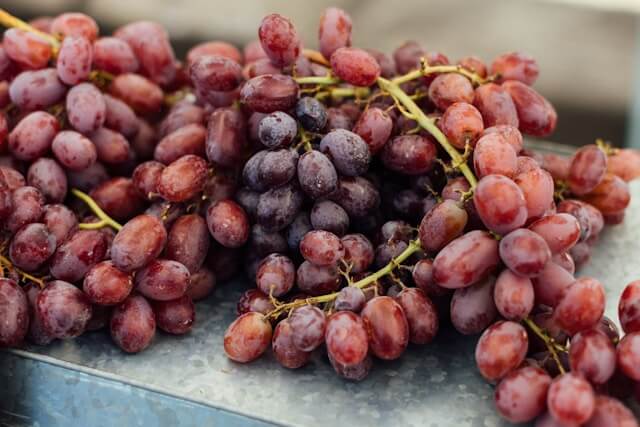
Grapes sound like the kind of thing that should always be there at the end of a cheese board, on a sticky kid’s hand, in a glass of red. But if you’ve been following headlines, you might have heard talk of grape shortages or supply crunches. Here’s what’s actually going on as we move through early 2026.
The truth is, there’s no widespread grape shortage. Still, the market’s split in a surprising way. California’s wine growers are swimming in leftover grapes, while folks who pack lunchboxes or buy fresh fruit see short-term gaps especially if they like table grapes. So, if you love a glass of cabernet or just want a snack, the story behind the scenes is probably different than you think.
California Wine Grapes: From Boom to Oversupply
Let’s start with wine grapes, since California tends to set the mood for the rest of the country. After decades of steady growth, the state’s vineyards found themselves with way more grapes than wineries could handle. By the 2025 harvest, the “crush” fell below 2.5 million tons. That’s the lowest in a quarter-century, and it’s not by accident.
Growers faced a wall of leftover wine about 84 million cases sitting unsold by the middle of 2025. That’s a huge backlog. Prices went from bad to worse, with some grape lots not worth picking at all. In fact, almost 1.2 million tons of grapes just stayed out in the fields, left to rot or be mulched under.
When it’s cheaper to let fruit die than to pay the help to harvest it, something has to give. So the big fix has been to rip out vines. Around 40,000 acres of vineyards got bulldozed between late 2024 and mid-2025. That’s over 7% of California’s total grape land gone. Most went in the hot, flat regions that usually supply cheaper wine and bulk juice.
Wine companies knew they had to cut back. It wasn’t about drought or natural disasters just too much product and not enough buyers. Some farmers switched to almonds or olives where they could. Others simply left fields bare, waiting for a better market.
Could Wine Grape Shortages Actually Happen?
You might ask: If farmers keep pulling up vines, does that mean we’ll see a wine grape shortage soon? It depends.
At the start of 2026, analysts see hints of a slow rebound. Wineries are expected to buy a bit more fruit, but not enough to drive prices back up. If the grape “crush” stays really low somewhere near 2.4 million tons in 2026 and wine sales keep dipping (by about 3%), things could swing fast. In an optimistic scenario with a smaller harvest, some folks even worry about shortages by the end of the year.
For now, though, there’s still a lot of cheap wine moving through the system. Most high-end producers are holding steady, with the real pain landing on bulk suppliers and budget wine brands. There aren’t lines at the store or wild price hikes yet, but the underlying economics are shaky.
It’s a tricky problem. Cut too much, and you’re unprepared for any sudden comeback in demand. Do too little, and the glut keeps prices so low that everyone loses.
Table Grapes in the U.S.: Tight Supply, High Demand
While wine grape growers battle oversupply, families at the grocery store faced something different last year: It got harder to find good, fresh table grapes around the holidays. By Thanksgiving 2025, strong buying pushed per-person grape eating to an all-time high around 9 pounds a year. It turns out, the grape is a trending snack, and not just for kids.
But the early-season crop in California was lighter than usual. Cold storage facilities emptied fast, running down to just 3.5 million boxes by mid-December. That’s a 59% drop, which left buyers scrambling for decent-quality fruit during the busiest party season of the year.
Adding to the challenge, the remaining grapes had serious problems things like “shatter” (when the berries fall off clusters), waterberry (a condition that makes grapes taste bland), and mold. Some shipping groups had to post “extreme” advisories, warning grocers that only the best lots should go out, and even then, they recommended swapping in green grapes to keep displays full.
Parents might have noticed fewer grapes in lunchboxes or higher prices at the checkout. Produce managers had to get creative. Some stores limited how many boxes they put on shelves until they could restock with imports.
Relief from Peru and Chile
Things started looking up by mid-January 2026. That’s when big shipments from Peru kicked in, with U.S. imports up an impressive 13%. Peru alone sent almost 60% of its total exports to American ports, and the steady supply helped refill empty coolers.
Chile, which usually supplies a huge chunk of winter grapes, delivered a bit less than normal. Depending on how you count, Chilean shipments to the U.S. dropped between 9% and 23%. Still, the combined flows from South America balanced things out, keeping supermarkets stocked, though some varieties stayed scarcer than others.
For shoppers, these import swings mean some weeks you might find big, sweet red grapes stacked high and other weeks it’s mostly green or smaller bunches. Volatile? Yes. But not a real shortage in the big picture.
Global Table Grape Trends: Exports, Imports, and New Fans
Zoom out, and the world’s appetite for table grapes has never been bigger. 2024 and early 2025 set export records, as almost 4.6 million metric tons shipped out worldwide. Imports to big buying countries climbed toward 4.4 million tons.
Demand is especially strong in Southeast Asia, the Middle East, and countries across Latin America. These regions have growing middle classes and supermarkets eager to stock year-round fruit. China and Peru sit at the top for export growth; both invested heavily in new grape varieties and smarter shipping. What once felt like a summer treat is now a staple on every continent.
Back in California, the 2025-2026 table grape season started off lighter, but growers were upbeat. The lighter load helped fruit quality, and new shipping deals support global availability no matter the month. The market’s total value is huge about $104 billion in 2025, with forecasts pushing that up to $109.5 billion by 2026.
It’s a far cry from the wine grape business, where too much product chases too few buyers. For table grapes, the world can’t seem to get enough.
The Bottom Line: Challenges and What’s Next
What’s really wild here is how different the stories are sometimes just a few miles apart in California’s Central Valley. Wine grape growers yank out vines because they can’t move inventory. At the same time, table grape shippers hustle to keep up with a steady climb in demand.
The wine side faces a classic “structural oversupply.” People are drinking less wine overall or trading up for the good stuff and leaving cheaper bottles behind. On the flip side, more people worldwide especially in newer markets want fresh, sweet grapes for snacking or desserts.
Weather will always be a wildcard. One tough spring freeze or a bad rainstorm during harvest could change the math overnight. And if tastes shift again, with folks drinking more (or less) wine, the squeeze could switch back. Everybody is watching the next six months closely, especially those counting on a rebound in U.S. wine sales or need reliable table grape imports.
Another thing to keep an eye on is shipping and labor. Delays at ports or trouble finding workers for harvest could cause ripples. Right now, large growers and big-box retailers are working behind the scenes to make sure supply lines stay open, especially as climate changes push harvest calendars in surprising directions.
Grape Market Outlook for 2026
So there’s no need to panic over a full-blown grape shortage yet. If you’re looking for a bottle on Friday or just something to snack on at work, you’ll probably find what you want. The catch is that, depending on time of year and where your grocery stores buy from, you might see prices move or have fewer choices for a week or two.
For California wine grapes, the big question is how fast wineries work through their leftover stocks and whether growers gamble on replanting. Timing matters a little too much replanting too fast could flip the script and bring shortages. Table grape fans are in a better spot, with a steady flow of imports and a global market eager for more.
If you’re following these ups and downs for work or just want inside news on food trends, resources like The Business Deck break it down further.
In the end, grapes may not always be hassle-free, but they’re not going missing from your table anytime soon. And whether you’re stocking a wine cellar or just aiming for a healthy snack, the business of grapes is one more reminder of how supply and demand always keep things interesting.
Also Read:
