


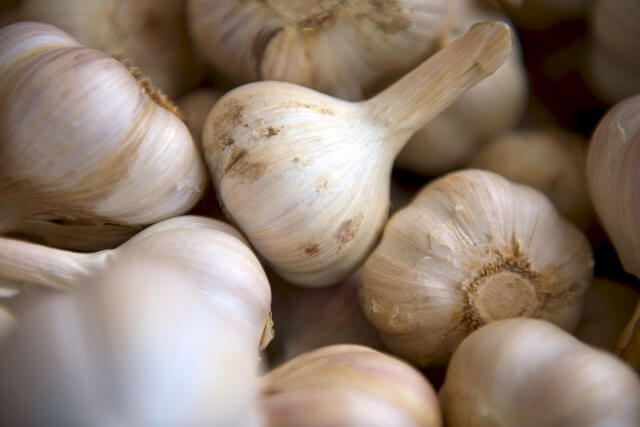
Garlic is a kitchen staple across cultures, valued for its flavor, aroma, and health benefits. Recently, however, many consumers have noticed rising prices and inconsistent availability of garlic in grocery stores and markets. This has led to a common question: Is there a garlic shortage? The short answer is yes several regions are experiencing supply tightness due to a mix of agricultural, economic, and logistical factors. This article explores the current garlic shortage, why it’s happening, how it’s affecting prices and daily life, and what consumers can realistically expect moving forward.
Overview of the Shortage
The garlic shortage is not the result of a single event. Instead, it stems from overlapping challenges that have disrupted production and distribution worldwide. Weather extremes, reduced crop yields, higher farming costs, and global supply chain pressures have all contributed to limited garlic supplies. While garlic has not disappeared entirely, the reduced availability is enough to impact prices and purchasing habits in many markets.
Is There a Garlic Shortage?
Yes, there is a noticeable garlic shortage in parts of the global market. Major garlic-producing regions, including parts of Asia, Europe, and North America, have reported lower-than-average harvests. Since garlic production is highly seasonal and dependent on stable weather conditions, even one poor growing cycle can affect supply for months. As a result, wholesalers and retailers are facing tighter inventories, which ultimately reach consumers through higher prices and limited stock.
Why Is There a Garlic Shortage?
Climate and Weather Challenges
Unpredictable weather patterns have played a major role. Prolonged droughts in some farming regions and excessive rainfall in others have damaged garlic crops. Garlic requires specific soil moisture levels, and deviations either too dry or too wet can significantly reduce bulb size and yield.
Reduced Agricultural Output
Many farmers have scaled back garlic planting due to rising costs. Fertilizers, fuel, labor, and irrigation expenses have increased sharply, making garlic farming less profitable for small and mid-sized growers. Some farmers have shifted to alternative crops with lower risk or higher margins, further tightening garlic supply.
Supply Chain and Transportation Issues
Even when garlic is successfully harvested, getting it to market has become more difficult. Ongoing global transportation challenges including container shortages, higher shipping costs, and port delays have slowed the movement of garlic from farms to consumers. Imported garlic, in particular, has been affected by these disruptions.
Rising Global Demand
Garlic demand has remained strong, driven not only by culinary use but also by its reputation for supporting immune health. During periods of increased health awareness, garlic consumption tends to rise, adding pressure to an already strained supply.
How the Shortage Is Affecting Prices and Availability
The most visible impact of the garlic shortage is price inflation. In many areas, garlic prices have risen steadily, with some markets seeing double-digit percentage increases compared to previous years. Consumers may also notice:
- Smaller bulb sizes at the same price
- Reduced availability of specialty or organic garlic
-
More reliance on imported garlic rather than local varieties
Restaurants and food manufacturers, which use garlic in large quantities, are particularly sensitive to these price fluctuations and supply inconsistencies.
Impact of the Shortage on Consumers and Businesses
Effects on Consumers
For home cooks, the garlic shortage means spending more for a basic ingredient or adjusting recipes to use less. Some shoppers are turning to alternatives such as garlic powder, granulated garlic, or frozen garlic products. While these substitutes can work in some dishes, they may not fully replicate the flavor of fresh garlic.
Challenges for Businesses
Restaurants, bakeries, and food producers face higher operational costs due to increased garlic prices. Some businesses have responded by:
- Adjusting menu prices
- Reducing portion sizes
-
Reformulating recipes to limit garlic usage
For small food businesses operating on thin margins, prolonged shortages can significantly impact profitability.
How Long Will the Garlic Shortage Last?
The duration of the garlic shortage depends on several factors, including upcoming harvest yields, weather stability, and global logistics improvements. If growing conditions normalize and transportation bottlenecks ease, supply could gradually improve within one or two growing seasons. However, if climate volatility and high production costs persist, the market may continue to experience periodic shortages rather than a quick return to normal.
What Can Consumers Do During the Garlic Shortage?
While consumers can’t control global supply issues, there are practical steps to manage the impact:
- Buy in moderation: Avoid panic buying, which can worsen shortages.
- Store garlic properly: Keep it in a cool, dry place to extend shelf life.
- Use alternatives wisely: Garlic powder or paste can substitute fresh garlic in many recipes.
-
Support local growers: When available, locally grown garlic often faces fewer supply chain delays.
These small adjustments can help reduce household food costs while maintaining flavor and nutrition.
Frequently Asked Questions (FAQ)
Why is garlic more expensive right now?
Higher production costs, reduced crop yields, and supply chain disruptions have pushed garlic prices up.
Is the garlic shortage global or regional?
It is affecting multiple regions worldwide, though the severity varies by country and growing season.
Are garlic substitutes a good alternative?
Yes, garlic powder, paste, and frozen garlic can work well in many recipes, though the flavor may differ slightly.
Will garlic prices go back down?
Prices may stabilize if future harvests improve and supply chains normalize, but immediate drops are unlikely.
Conclusion
The current garlic shortage highlights how vulnerable everyday food items can be to climate, economic, and logistical pressures. While garlic remains available, reduced supply and higher prices are likely to persist in the short term.
Understanding the causes behind the shortage helps consumers and businesses make informed decisions, adapt their purchasing habits, and plan ahead. With improved growing conditions and more stable supply chains, the garlic market may gradually recover but until then, flexibility and smart shopping remain key.
Also Read:
