


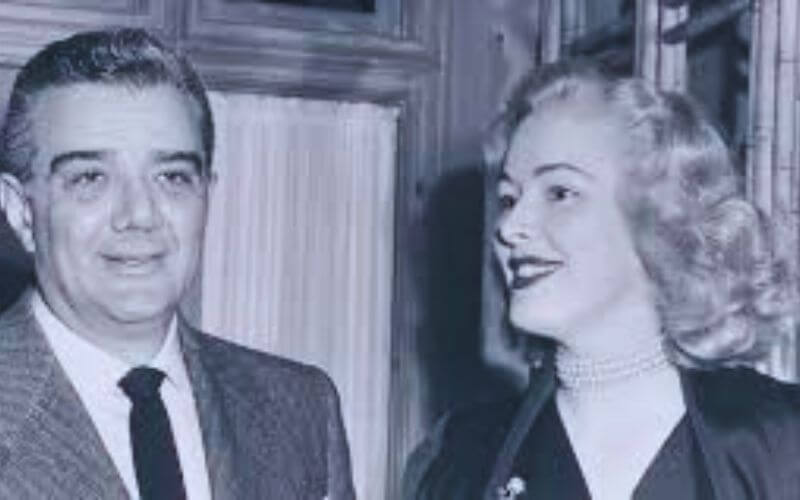
Richard Parker Friedlob may not be a household name, but his place in Hollywood history is unique due to his family legacy and connections to classic American cinema. Born on October 8, 1952, in Los Angeles County, California, Richard is best known as the son of acclaimed Golden Age actress Eleanor Parker and film producer Bert E. Friedlob two figures whose contributions helped shape mid‑20th‑century film culture in the United States.
Though Richard has largely maintained a private life outside the public eye, understanding his roots within an entertainment dynasty offers insight into how Hollywood families navigated fame, creative work, and personal identity in a transformative era for the film industry.
Early Life and Family Background
Richard Parker Friedlob was born on October 8, 1952 in Los Angeles County, California, the heart of the American film industry. His birthplace positioned him from the outset at the crossroads of cinematic history and cultural influence. Growing up in Los Angeles surrounded by studios, theaters, and storytellers Richard was steeped in an environment where creativity and performance were everyday life.
The son of Eleanor Jean Parker and Bert E. Friedlob, Richard entered a family world characterized by both artistic accomplishment and industry prestige. While Richard himself did not publicly pursue a career in acting or film, his early life was undeniably informed by the creative legacy and professional worlds of his parents.
Parents’ Careers and Influence
Eleanor Parker – A Golden Age Hollywood Star
Richard’s mother, Eleanor Parker, was one of Hollywood’s most respected actresses of the mid‑20th century. Born June 26, 1922, in Cedarville, Ohio, Eleanor began acting in theater productions at a young age before signing a screen contract that launched a prolific film career.
Parker became known for her versatile dramatic range and ability to inhabit complex characters, earning three Academy Award nominations during her career. She starred in films such as Caged (1950), Detective Story (1951), and Interrupted Melody (1955), roles that showcased her depth and emotional power on screen.
One of her most memorable roles albeit in a supporting capacity was as Baroness Elsa Schraeder in the classic musical The Sound of Music (1965), a film that has endured as an iconic piece of American cinema.
Eleanor’s career spanned decades and proved deeply influential, not only in terms of her on‑screen work but also in how she navigated the evolving demands of Hollywood. She worked under contract at major studios, transitioned into television as the industry changed, and remained a respected presence long after her final roles.
Bert E. Friedlob Film Producer in the Studio Era
Richard’s father, Bert E. Friedlob, was a film producer whose career provided another angle on Hollywood’s creative ecosystem. Born October 18, 1906, in Peoria, Illinois, Bert made his mark behind the camera, contributing to films such as The Steel Trap (1952), While the City Sleeps (1956), and The Star (1952).
Although not as widely known as some of his contemporaries, Bert’s work represented the crucial production side of the industry from conceptual development to screen execution. His partnership with established actors and creative teams helped bring stories to life in a competitive and dynamic studio environment.
The marriage between Eleanor and Bert also brought artistic collaboration into their family life. During their union from the mid‑1940s to the early 1950s, the couple welcomed three children: Susan Eleanor Friedlob, Sharon Anne Friedlob, and Richard Parker Friedlob.
Education and Personal Life
Unlike his famous mother and father, Richard Parker Friedlob’s personal life has largely remained private, and there are no widely published records detailing his educational background, career choices, or public endeavors.
However, growing up as the son of entertainment professionals, Richard would have been influenced by the culture of performance and storytelling that surrounded him. Children of Hollywood often attended schools that catered to creative families, participated in local artistic communities, or were encouraged to explore their own interests in a variety of fields. While specific details about Richard’s schooling or early interests remain out of the public record, it is reasonable to assume that his upbringing offered exposure to both artistic expression and the values of a family rooted in cinematic arts.
In terms of personal milestones, Richard shared grandparents and extended family ties that connected him to broader social networks, including his sister Sharon Anne Friedlob (born April 18, 1950) and older sister Susan Eleanor Friedlob. The family dynamic, shaped by creative legacies and industry environments, reflects a narrative common among many Hollywood families of that era.
Professional Life
As of current publicly available information, Richard Parker Friedlob has not established a widely recognized public career in film, television, or other creative industries, nor is there evidence of him pursuing a professional life in sectors tied directly to his parents’ fame.
This absence of public professional record suggests that Richard may have chosen a private career path outside of Hollywood’s spotlight a common choice among children of public figures who seek a life defined more by individual passions than familial expectations. Privacy among descendants of prominent Hollywood characters is often respected and valued, especially when those individuals work in fields far from entertainment publicity or high media visibility.
Without confirmed records of Richard’s professional life, it is appropriate to focus on his heritage and potential influences, recognizing that not all lives tied to famous figures unfold under public scrutiny.
Public Presence and Legacy
When considering the legacy of a figure like Richard Parker Friedlob, it’s essential to look beyond public appearances and film credits. His legacy is intertwined with the story of a family that contributed significantly to American cinema’s Golden Age and the cultural landscape of Hollywood.
Even though Richard has not been publicly profiled or interviewed as a prominent personality, his existence within an influential creative family contributes to the broader historical narrative of Hollywood family dynasties and behind‑the‑scenes contributors whose work helped shape entertainment across decades.
Moreover, Richard’s family connections from a celebrated actress mother to a producer father offer insight into how the film industry operated socially and creatively during its most vibrant historical period.
Conclusion
In many ways, Richard Parker Friedlob embodies the private legacy of a Hollywood lineage. Born into a family that lived and breathed cinema, storytelling, and artistic craftsmanship, Richard’s life is inherently linked to the cultural achievements of his parents, Eleanor Parker and Bert E. Friedlob. While he has remained out of the public spotlight, the environments he was born into and raised within are rich with cinematic history and creative significance.
Although details about Richard’s personal and professional life beyond his origins are limited, understanding his place within this context adds depth to the story of Hollywood’s mid‑century families reminding us that every name in cinema history, whether large or small, plays a role in the broader mosaic of cultural influence.
Also Read:
