


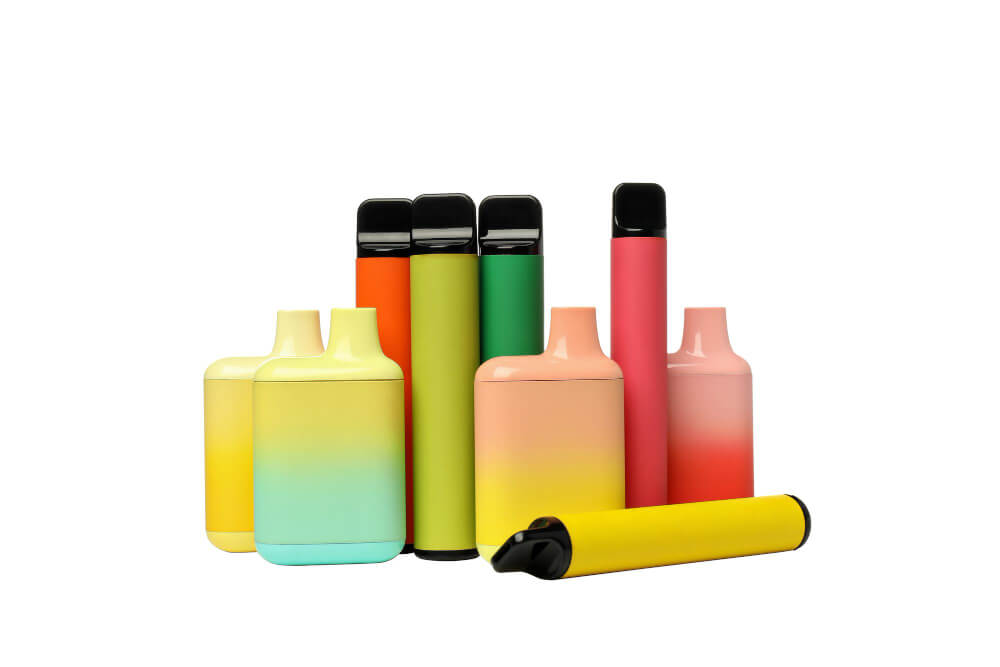
If you’ve tried to pick up a Geek Bar at your local vape shop recently and found the shelves emptier than usual, you’re not alone. For a good chunk of 2025, folks across the US started asking, “Where did all the Geek Bars go?” The answer is surprisingly tangled, involving tariffs, government agencies, supply headaches, and a whole lot of frustrated vape shop owners.
Why Did Geek Bars Disappear?
Plenty of people notice when a popular product like Geek Bar becomes nearly impossible to find. The shortage hit most stores in late spring 2025, but the problems really started brewing much earlier. Multiple factors came together, and it wasn’t just one thing that flipped a switch.
Tariffs and Import Turmoil
The biggest shock to the system was the massive hike in US tariffs on Chinese-made disposable vapes. In early 2025, those import taxes shot up to a staggering 170%. Shipments got hammered with extra costs. For example, if a container of vapes cost $100,000, suddenly the taxes could cost another $170,000 just to get it through customs.
Importers paused or even cancelled shipments. By May 2025, US vape imports had plunged by 94%, falling from 1,200 shipping containers a year earlier to only 71. Geek Bars made in China and exported all over were right in the crosshairs.
Add in global changes, too. The UK and the European Union banned most flavored disposables around this time. With Europe off the table, several factories shifted gears and didn’t bother repackaging products just for the shrinking US “gray market.” So the US didn’t just have higher prices and fewer deliveries; it was actually less interesting for manufacturers to serve at all.
Stricter Government Actions
On top of cost and shipping chaos, the Food and Drug Administration came out swinging in early 2025. They sent more than 800 warning letters to vape sellers about unauthorized vapes including flavored models like Geek Bar. It wasn’t just letters, though. FDA inspectors, working together with Customs officials at US ports, actually seized entire shipments and blocked them from entering the country.
Several states got even more aggressive. North Carolina cracked down on all flavored disposables, and places like Texas joined in. Shops and distributors in these states got warning letters or had their products seized. Vape stores started limiting how many bars each customer could buy even putting up hand-written notes about “one per person” or “please don’t ask for more than two Geek Bars.”
So not only did national rules make things tough, but state-level enforcers started tightening the screws even further.
Supply and Demand Collide
The numbers tell the story: by May 2025, retailers were getting just 10%-20% of their normal Geek Bar supply. Shops were constantly running low. High-demand models, like the Geek Bar Pulse which boasted 15,000 puffs and alone captured about a quarter of the market disappeared first. Some shops didn’t get any shipment of the Pulse for weeks.
With so little supply, panic buying started. Loyal customers lined up or called shop after shop, hoping to grab the last of their favorite flavors. A few stores reported nervous regulars offering to buy up every box they had, in case the bars didn’t come back. Add in shipping delays, new repackaging needs to skirt customs checks, and more bureaucracy, and it was a perfect recipe for empty shelves.
When Did People First Notice?
If you look back, the earliest signs that a real shortage was coming showed up right after April 2025. Some folks point to late 2024 as the canary in the coal mine. That was when Breeze Pro a different leading brand quietly started to vanish after facing its own enforcement problems.
By May 2025, most vape stores felt the squeeze. Distributors called to say their shipments had been drastically cut. Shop owners scrambled, networking with anyone they knew in the business just to find extra cases. People would drive hours looking for stores that still had inventory.
Things got even worse through the summer. By June, market watchers said the country’s disposable vape imports had truly crashed. Some city shops didn’t get a single Geek Bar delivery all month. Stores that managed to restock found their supply snatched up in hours. By the end of July, people were joking about Geek Bars becoming “the new PS5” impossible to find at any price.
How the Market Reacted
People buying Geek Bars felt the pinch right away. By summer 2025, most shops either rationed the bars two per customer if you were lucky or just had signs saying “No Geek Bars Check Back Later.”
Shortages and Limited Restocks
At the peak of the shortage, around June and July 2025, Geek Bars were so scarce that only a handful of flavors crept onto shelves every so often. Even then, most shipments weren’t legal entries. Vapes coming through unofficial “gray market” channels kept trickling in, but those boxes cost more and carried the risk of customs getting involved.
Shops would sometimes text loyal customers about restocks, and everything would disappear by the end of the day. Some local groups online even traded tips on where to score certain flavors. But for most vapers, especially casual buyers, restocks were rare and unpredictable.
Rising Prices and Panic Buying
With so few Geek Bars available, prices jumped fast. Before the shortage, a typical disposable Geek Bar might have gone for $20 at the counter. By the middle of summer, some flavors sold for $25, even $30, when shops managed to get them. A lot of customers grumbled but bought anyway less worried about paying more, more worried that the bars might not come back for months.
Some stores implemented per-person limits, but even that couldn’t stop quick sell-outs. Newcomers to vaping found themselves pushed toward whatever alternatives were left, just because the Geek Bar slots on the shelf were always empty.
Shift to Alternative Brands
Retailers didn’t just throw up their hands. When Geek Bar faded, they started stocking other options out of necessity. Two imported brands, RAZ and Hyde, became pretty common go-tos for both stores and customers. But just as importantly, a new wave of US-made disposables popped up like Fifty Bar 20K and Fume Pro 30K promoted as safer bets for steady supply.
A few customers, unable to find their usual bars, tried switching to prefilled, FDA-approved pods from companies like Vuse or Juul though the flavor options there are more limited. Some even fell back to smoking cigarettes for a while, especially in areas where enforcement hit all vape options equally.
Of course, when it comes to bans and government oversight, things change fast. Some vapers and even a few shop owners turned to black market sellers for a steady supply, though those bars often cost more or came with questions about authenticity.
How Did Store Owners Cope?
Behind the counter, vape shop owners hustled. Some scoured contacts in different states, hoping to buy extra inventory from areas with gentler enforcement. Others went online to trade or buy from retiring shops or larger distributors. Still, most said they could only get about a tenth of their usual stock, even with lots of effort.
That led to some tough decisions. A few stores closed earlier on quiet days, since there just wasn’t enough inventory to make staying open worth it. Others built up their selection of non-vape products, adding novelties or accessories to keep regulars coming in the door. Many braced for a drop in profits during the toughest months, waiting to see if new shipments would finally arrive.
You probably saw some of those effects in your local area. Maybe your favorite corner shop went from having a rainbow of Geek Bar flavors to just a lonely tray of a few US-made models. Or maybe you heard a friend talk about finding a rare Pulse X flavor for $30 in an out-of-the-way shop.
No Full Ban, Just Messy Rules (and Hope for Easing)
It’s worth mentioning: There was never a total ban on Geek Bar in the US. The FDA hasn’t officially authorized any Geek Bar flavors (and, as of summer 2025, hasn’t gone after them as harshly as some countries have). But the combination of tariffs, warning letters, state restrictions, and hands-on actions at ports created a “soft ban.” In practice, it kept a lot of the most popular flavored vapes off shelves for weeks at a stretch.
Since late summer, though, things have mellowed just a little. Partial restocks started trickling in. Customers who checked in every few days started seeing Geek Bar Pulse and Pulse X flavors return, though usually not in large quantities. Prices have stayed higher, but at least most shops aren’t fully out of stock all the time.
There’s still a lot of uncertainty for store owners and vapers alike. Government enforcement hasn’t gone away states like North Carolina and Texas continue to focus on flavored disposables. Tariffs have dropped back closer to 55% (still high, but not as extreme as during the worst months), so that’s helped slow price increases.
Meanwhile, the shift to alternatives has stuck around. Brands like Fifty Bar 20K and Fume Pro 30K have earned loyal followings. Some customers say they actually like the more consistent US-made supply chains, even if the flavors aren’t quite the same.
Where Things Stand Now
If you’re waiting for Geek Bars to flood back onto every shelf, you might have a little more patience left to show. Some days, stores get a few extra shipments; on others, they’re stuck explaining the shortage all over again. The disposable vape business is still under heavy scrutiny from the FDA and state authorities. Many customers now shop more local brands or just keep watch for surprise restocks.
For retailers, the lesson’s been simple: don’t bet the ranch on a single brand ever again. For regular vapers and curious shoppers, the next few months will bring more changes maybe even more options as US-made disposables gain ground.
If you want to keep up with broader shifts in vape regulation or retail trends, you can always check coverage at The Business Deck.
For now, Geek Bars are inching back into some stores and slowly finding their way into more hands. But nobody’s counting on the shortage disappearing for good. The story’s still shifting and for a lot of retailers and customers, the only constant lately has been change.
Also Read:
