


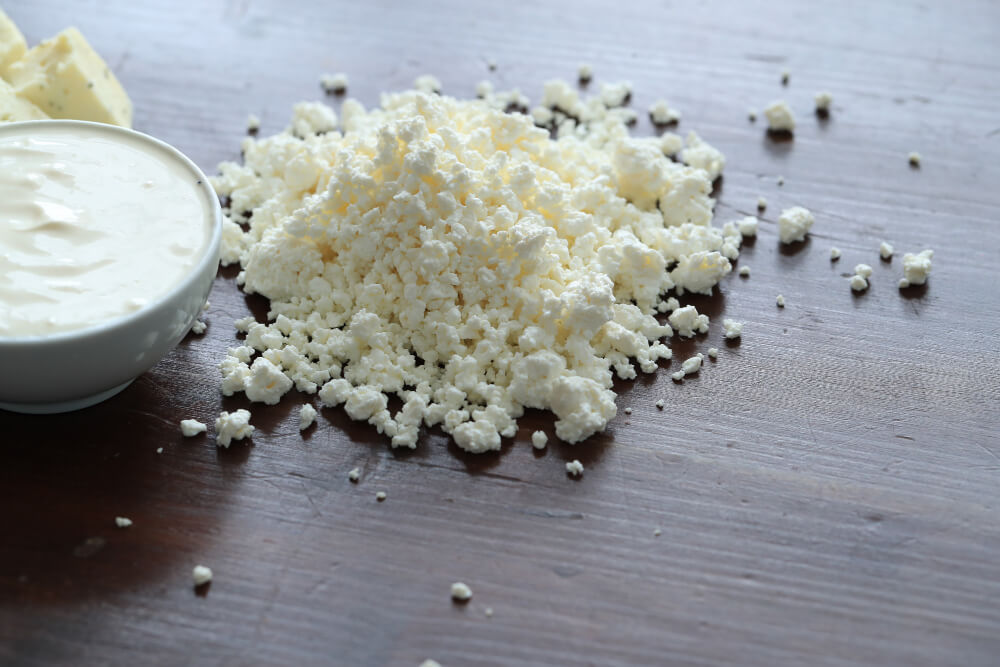
If you cook, snack, or even scroll Instagram, you might have noticed the dairy section looking a little sparse lately. Cottage cheese, which for years sat quietly in a corner fridge, is suddenly in the spotlight and not nearly as easy to find. It’s not just your grocery store this is happening all over the country. Here’s why American shelves can’t seem to keep up.
TikTok, High-Protein Hype, and an Unexpected Surge
You might assume a cottage cheese shortage would be due to a production issue or a dairy farm crisis. Instead, the real reason is kind of unexpected: a sudden boom in demand, thanks in large part to social media and TikTok food trends.
People on TikTok discovered you could blend cottage cheese into smooth, high-protein “ice cream,” or whip it into a mousse, or use it in baked oats. These videos rack up millions of views, and next thing you know, the cottage cheese section is looking picked over. Younger shoppers, in particular, are making cottage cheese cool again, driven by its high protein and low sugar.
Sales numbers tell the story clearly. The U.S. saw cottage cheese sales rise by 11% in 2022 after a long slump. Then sales kept climbing up 17% in 2023, and again by 17% in 2024. In the 52 weeks leading up to mid-June 2025, sales jumped nearly 20% in grocery stores and big chains. In other words, way more people want cottage cheese than did just a few years ago, and brands are scrambling to keep up.
Brands Struggle as Shelves Empty Quickly
Organic Valley, a major player in the organic dairy space, has seen growth that surprised even their own marketing team. Andrew Westrich, Organic Valley’s marketing manager, put it pretty simply: “Organic Valley Cottage Cheese is selling faster than we can make it.”
The company reported a growth rate over 30% in the first half of 2025 alone. When sales spike like that, everything from milk supplies to packaging and delivery gets more complicated. Multiply that by dozens of brands, and the entire system starts feeling the pressure.
Good Culture, another name you might recognize from the yogurt aisle, got hit even harder. Their CEO, Jesse Merrill, said demand was “insane” so much so that they posted about ongoing shortages on Instagram in July 2025. If you poke around Reddit or Twitter, you’ll see tons of comments from people wondering why stores are out, or even tagging the company’s account directly to ask for restocks.
The consumer reaction has been predictable: people want their favorite cottage cheese, and they want answers. Some are switching brands, while others visit multiple stores to get what they want. Meanwhile, companies are facing a lot of pressure from their own fans and retail partners to keep product on the shelves.
Plants Running at Max Speed (And Still Can’t Keep Up)
Production hasn’t stopped and in fact, most plants are running harder than ever. The biggest brands say their facilities are basically maxed out. It’s not just about turning up the volume. Making cottage cheese is finicky. You need fresh milk, controlled temperatures, and specific equipment like vats and curdling tanks.
When demand suddenly jumps by 20% or more, every part of the process needs to grow. But building new dairy plants or adding production lines can take years, not months.
Some brands, like Organic Valley, are leaning most on contract manufacturers outside partners who may themselves be running at full tilt or juggling several brands’ orders. “We basically have everyone running extra shifts,” Westrich explained, but even then, there’s only so much milk and space to work with.
Good Culture is in talks with more manufacturing partners. But according to their own leadership, they don’t expect major increases in available supply until at least early 2026. It’s a similar story at the supply chain level. Cold storage, trucking, and packaging everything is just a little behind.
Westby and Daisy Brand Try to Expand
Smaller brands feel the crunch in a different way. Westby Cooperative Creamery, which sells traditional creamed cottage cheese, runs its facilities out of Wisconsin. They’re already producing about 14.5 million pounds of cottage cheese every year. Even with plants at full power, orders now exceed their current output by more than 30%.
To deal with that kind of demand, Westby is planning to install new cheese vats and expand plant capacity but that won’t kick in until the fall of 2026. In the meantime, expect spot shortages and lots of sold-out signs in local stores.
Daisy Brand, which is well known for its sour cream, is trying to get ahead of the curve. They broke ground on a new plant in Iowa recently. The idea is to drastically boost production, but, as with all large-scale food projects, it’ll be a while before new product actually arrives in stores.
Why This Shortage Is Different from Past Food Fads
You might be thinking this will blow over like kombucha or matcha trends have done in the past. But industry analysts aren’t so sure. John Crawford, VP at research firm Circana, says consumer interest seems sticky and is bringing in a lot of first-time buyers.
There’s a real, practical reason: many people are seeking affordable, convenient protein. Greek yogurt used to own this space, but cottage cheese is cheaper per gram of protein and often lower in sugar. TikTok is amplifying the appeal but isn’t the only reason for the demand.
That means most companies see this as more than a short-term spike. They’re treating it like a true shift in eating habits. Grocery execs are noticing, too. Susan Morris, who oversees stores for Albertsons, called cottage cheese a “strong growth category,” which is not something you would have heard from major grocers two years ago.
Brands Bet Big on the Future but Patience Is Required
Just about everyone in the business is hurrying to scale up from ordering new machinery to hunting for extra milk suppliers. Organic Valley and Good Culture have both expanded relationships with contract manufacturers, hoping to push out more product wherever possible.
Meanwhile, traditional creameries like Westby are investing in equipment that should, hopefully, let them double their output in the coming years. Daisy Brand’s new Iowa facility is one sign that bigger brands believe this high-protein trend is here to stay.
That said, nobody’s promising a quick fix. Even with all the investment and planning, new facilities and increased contract production won’t seriously change what’s available in stores until sometime in 2026.
If you’re tracking the grocery and food manufacturing world, this is actually a perfect case study in how fast consumer demand can knock supply chains off-balance. Interested readers can find more breakdowns of food industry bottlenecks and innovation at thebusinessdeck.com.
Supply Still in Shortage as Late 2025 Arrives
As we move into the second half of 2025, shoppers continue to see empty spaces where cottage cheese should be, especially for in-demand brands and the organic, high-protein options promoted on TikTok. Supermarkets say they’re getting in as much as they can, but it doesn’t stick around long.
Wholesale buyers are still being put on waiting lists. Fan-favorite brands like Good Culture and Organic Valley are basically telling folks to sit tight. Longtime cottage cheese eaters are competing with newcomers who may only know it from their For You Page.
If you’re lucky, you might score a tub or two during your weekly grocery run. But if not, swapping brands or branching out to other protein snacks (or just waiting until supply catches up) might be your only option for now.
Looking Ahead: No Easy Fix in Sight
People sometimes think food shortages are caused by a bad batch or a local blizzard. This time, it’s just extreme interest and not enough capacity in the system. Every piece of the supply chain is running as hard as it can and for the foreseeable future, there’s just more demand than supply.
For shoppers and fans of those viral recipes, the best plan is probably just to check back often, try new brands, and be patient. For now, the cottage cheese shortage is an open challenge for producers. Everyone’s expecting a busy 2026 as new facilities and partnerships come online, but nobody is betting on an immediate return to normal. If nothing else, it’s proof that even a snack as simple as cottage cheese can have its moment and right now, nothing is more in demand.
Also Read:
