


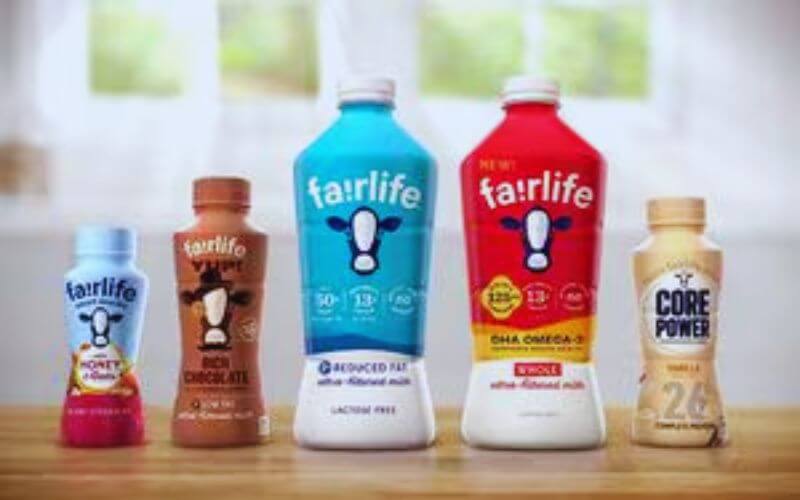
If you’ve been to the grocery store recently and noticed the Fairlife milk section looking emptier than usual, you’re definitely not the only one. The ultra-filtered, high-protein milk brand has built up a steady following across the U.S., and lately, it’s been running into one big problem: there just isn’t enough milk to go around. Shoppers in places like Minnesota, California, and parts of the Northeast have all reported Fairlife disappearing from shelves for days, sometimes weeks at a time.
Most folks notice when their favorite groceries are out, but with Fairlife, the shortage seems bigger and more stubborn. People have turned to Facebook groups and Reddit threads searching for updates, substitutes, or even trading tips about where to score a bottle. So what’s actually causing all this?
More Demand Than Expected
Fairlife milk has always stood out from the usual dairy aisle choices. It’s higher in protein, it’s got less sugar, and it’s easier on people who are lactose intolerant. For lots of families, gym-goers, and those just looking for something different, this made Fairlife an easy pick so much so that the company’s sales have blasted past the $1 billion mark in just a few years.
That’s a huge growth spurt for any food brand, especially something as basic as milk. Coca-Cola, which owns Fairlife, clearly saw big potential. The problem? People wanted Fairlife a lot faster than the factories could supply it. When word got out that stores might not have enough, everyone started snatching up what they could, making the problem worse.
Production Can’t Keep Up
Even the best-selling brands can only move as fast as their factories allow. Fairlife’s main production facilities despite being newer and well-equipped just can’t manufacture milk as quickly as demand requires. During a call with investors, Coca-Cola’s CEO James Quincey said, “It’s going to be hard to cycle this year’s numbers until we get the capacity.”
Basically, they’re maxed out. When shelves are empty, it’s not because the stores aren’t ordering enough; it’s that Fairlife simply can’t pump out more half-gallons or single-serve bottles right now.
Supply Chain Woes: The Perfect Storm
The pandemic threw a wrench into nearly every step of the food chain, and Fairlife was no exception. Across the country, shipping companies had trouble moving goods around. Dairy farms faced their own series of headaches, like shortages of certain feed, labor strikes, or even interruptions in packaging supplies. At different points, Fairlife’s usual delivery schedule just couldn’t be maintained. Plants closing unexpectedly due to COVID outbreaks only set back production further.
Then there’s transportation. A shortage of truck drivers slowed deliveries everywhere, but products like milk have an extra level of urgency they can’t just sit in a warehouse for weeks. This left some regions, like Central Minnesota, running out of core types of Fairlife, especially the ever-popular 2% version.
Real-World Example: Central Minnesota
In places like St. Cloud and Sauk Rapids, Minnesota, grocery managers say they haven’t had steady shipments of Fairlife for months. Some stores only get a couple cases of milk at a time, which disappear by that afternoon. For many people, this isn’t just frustrating it’s caused them to shop around or simply do without.
Several local shoppers mentioned driving to three or four different stores just to find one bottle. Others have switched to different brands, at least for now.
Not About Animal Welfare This Time
Back in 2019, Fairlife faced a totally different controversy: undercover footage showed animal abuse at one of its main supplier dairies. Fairlife quickly cut ties with that farm and set tougher rules for the rest of its suppliers. That scandal caused huge waves back then, but it’s not the reason milk is missing from shelves in 2024. The current shortages are all about demand and supply not animal welfare.
The Ripple Effect: What This Means for Shoppers and the Industry
People notice when their go-to milk disappears for days or weeks. Some fans admit to grabbing almost any Fairlife variety they can find, even if it’s not their usual pick. Others get pretty annoyed and look for replacements. With other protein-boosted or lactose-filtered milks now available, Fairlife’s hiccup has actually opened the door for competitors to step up. Some customers have said they won’t be as loyal if these supply problems drag on.
Meanwhile, prices for Fairlife and some dairy alternatives have gone up a little in some stores usually what you’d expect when something’s scarce. It’s a classic supply and demand issue: more people want it than what’s available.
How the Shortage Is Shaping the Bigger Market
There’s a twist for the dairy industry as a whole. Turns out, Fairlife’s soaring demand means dairy farmers could soon be busier supplying the raw milk that goes into these ultra-filtered products. For some, it’s a chance to grow their business or negotiate better deals.
At the same time, other brands (like Organic Valley, Horizon, and store-label filtered milk) are finding more room in the market. A lot of shoppers just want something close enough to Fairlife when they can’t get the real thing, so they’re trying out alternatives sometimes finding a new favorite in the process.
What Is Fairlife Doing To Fix Things?
Fairlife’s parent company, Coca-Cola, has been pretty open about the shortage. They say the plan is to boost how much milk they can produce and get shipments back to a normal rhythm. The biggest move: a brand-new, $650 million processing plant getting built in Webster, New York.
The Webster facility is massive it’ll cover more than 100 acres and is expected to create hundreds of jobs. More importantly for milk fans, the plant is expected to open by late 2025 and should add a serious chunk of production capacity. Once that’s up and running, a lot more Fairlife should be flowing to shelves.
Small Fixes in the Interim
That new plant is a long-term solution, but Fairlife’s making some smaller tweaks, too. They’re looking at ways to squeeze more milk through their existing processing lines and get better at managing inventory and logistics. Switching up delivery routes, tracking which stores are low, and using demand data to prioritize shipments all these steps help, if only a little, in the meantime.
The company suggests checking their online store locator, which updates stock by location. This is probably your best bet if you’re determined to track down a bottle in your area.
Where to Look and What to Watch
If you’re set on getting Fairlife, keep an eye on smaller grocery stores as well as major chains. Some local markets get restocks on odd days, which is why it can pay to ask a store manager when new shipments arrive. Sometimes, smaller convenience stores get overlooked.
If you’re open to experimenting, try similar products from Oatly, Horizon, or local dairy companies. The nutritional profile might not match exactly, but they’re often available. Lately, with grocery shopping, being flexible or planning quick restocks has become more common for all sorts of products, Fairlife included.
For the most up-to-date business coverage on ongoing food and grocery shortages and solutions, you might also want to check a trustworthy source like The Business Deck, which often covers real-world supply chain challenges and company responses.
What’s Next for Fairlife Milk?
For now, it doesn’t look like Fairlife’s shortage will end overnight at least until bigger plants are operational and the supply chain calms down. People will probably see things get better in fits and starts, especially as summer ends, holidays roll in, or when new production tweaks kick in.
The good news? Fairlife and Coca-Cola seem to be taking the issue seriously and putting some real money behind solutions. Most fans are likely sticking around, if a little grumpier these days. If you’re in a pinch, check the store locator before heading out or be ready to try a new brand.
Either way, this shortage reminds us that even the basics like milk depend on a chain of people, machinery, and logistics all working behind the scenes. Sometimes, when demand grows faster than expected, it takes a while to catch up. If Fairlife is on your regular shopping list, keep an eye out, stay flexible, and maybe set an alert for that new shipment day at your store.
Also Read:
