


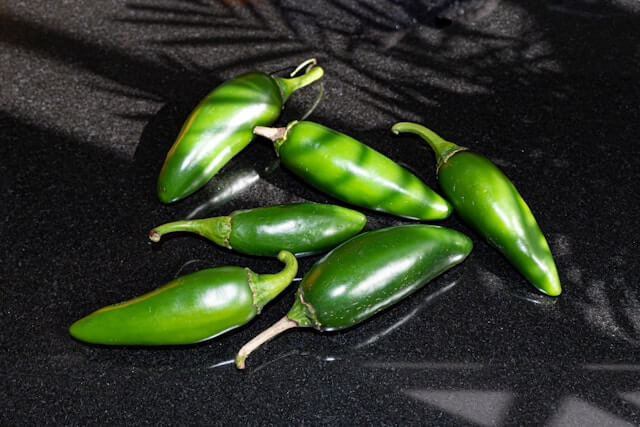
If you’ve checked the produce section lately or tried adding some spice to taco night you might’ve noticed jalapeños are nowhere to be found. The shortage isn’t just local or a passing blip. Grocery stores, restaurants, and even hot sauce makers are all scrambling for what little is available. And as we head into 2026, the outlook is still tight.
Weather and Climate: A One-Two Punch For Crops
Most jalapeños sold in North America come from northern Mexico and California, two regions that have both taken a beating from drought and weird weather. By spring 2024, about 76% of Mexico was in drought, and May brought another round of record heat. Jalapeño plants in Chihuahua usually a main supply source in summer ripened too fast and the harvest was cut short, ending in August instead of October.
California growers faced similar trouble: less water, some late frosts, and then scorching heat. That kind of stress can mean smaller plants, fewer peppers per plant, and skipped harvests. In early 2025, growers reported the same mix of drought, cold snaps, and sudden downpours. Each of those swings impacts yield, timing, or both.
Imagine trying to plan a salsa shop menu when the peppers might come two weeks early, or not at all.
Pests, Disease, and a Rough Ride for Fields
If drought and wobbly weather weren’t enough, the fields also got hit by pests and disease. One of the big issues is the Thrips virus, which has been chewing through pepper crops in places like El Ejido, Mexico. Add in more fungal infections and bacterial wilt especially on plants that were already stressed from the heat and you start losing a big chunk of the harvest.
Some farmers ended up pulling their pepper plants early, figuring it was better to switch to something easier and less risky than jalapeños. One grower in Sinaloa told reporters he just “couldn’t keep ahead of the pests, and the peppers stopped developing.”
When that many fields are hit so hard, it doesn’t just mean fewer jalapeños in your store it also means the ones that do make it are often smaller, uglier, or overripe.
Global Demand: We All Want Spice But There’s Not Enough to Go Around
There’s also the simple fact that jalapeños are more popular than ever. Everyone from salsa fans to backyard burger cooks have been adding fresh spice to their food. The global jalapeño market now tops 100 million dollars a year and is growing, thanks to more people discovering Mexican dishes and an explosion of spicy snacks and sauces.
Food companies want more jalapeños for new products. Hot sauce brands have run entire batches using substitutes or tweaking recipes because fresh jalapeños just aren’t available. Even fast food and casual restaurants are seeing shortages, as their regular suppliers can’t keep up.
And sure, demand for spicy food trends up and down, but with the TikTok crowd showing off spicy recipes and fans demanding heat, the supply just hasn’t been enough.
Other Issues: Supply Chains, Labor, and Shifting Preferences
There are more subtle factors at play, too. Over the last couple of years, there have been supply chain hiccups, such as recall scares and delays at borders. Sometimes, it’s simply not enough pickers at the right time; labor shortages in both the fields and trucking have made tight supplies even tighter.
There’s also been a shift in which jalapeños are in demand. Most growers are focusing on green jalapeños, since they bring in better prices compared to fully ripened red ones. But that narrows the timing even more, and if the green peppers don’t mature right say, because the season was cut short by drought growers can’t just wait around for reds either.
How This All Hits Your Grocery Store and Restaurant Menu
In most big supermarkets, fresh jalapeños were one of those staples you’d always find near the tomatoes and limes. Now, a lot of stores from California to Florida have had to put up “limit one per customer” signs or leave whole shelf rows empty. Some chains, like Ralphs and Albertsons, have gotten a week’s shipment that barely covers their regular orders.
The peppers that do show up aren’t what shoppers remember. You might find smaller ones, a bit overripe, or sometimes a lower grade called “Class 2” peppers where before you’d only see premium quality. Prices have gone up, too. In many cities, a pound of jalapeños costs double or even triple what it did a year ago.
Restaurants have had to get creative. Places that make hot sauces in-house or offer Mexican dishes are sometimes swapping in serrano or even bell peppers anything to keep menu items available. Some taquerias just mark items as “seasonal” or change their daily specials depending on what’s available.
Even big producers aren’t immune. Huy Fong Foods, the company behind that famous Sriracha, had several stops in production. They rely on jalapeños for their sauce, and during the worst of the drought, had to issue public notices that bottles would be limited.
A Ripple Effect on Other Peppers
A lot of folks don’t realize this, but jalapeños aren’t the only peppers struggling. When there’s a shortage, people and businesses look for close substitutes things like padrón, Fresno, or even habanero peppers. But now, with everyone chasing alternatives, those prices are up too. Some smaller grocers have run short on multiple varieties at once, and even frozen or pre-sliced peppers aren’t immune to the crunch.
It ends up being a domino effect throughout the fresh produce world. Fewer jalapeños mean processors and restaurants start grabbing up whatever they can. Suddenly, even the premium hotter peppers are hard to find at the corner store.
Current Outlook: Any Light at the End of the Tunnel?
So where does that leave us as we move through early 2025? It’s not great right now. Yields are still down, and almost everyone in the supply chain from importers to small grocery buyers says quality has dropped. More Class 2 peppers are hitting the shelves. If you see a bright, plump jalapeño, consider yourself lucky.
Looking just a bit ahead, there might be a slight change coming. Growers in the Netherlands (yep, the Dutch) have been ramping up their hydroponic and greenhouse operations. They expect production to start picking up around weeks 10 to 12 of the year. That’s a small boost. It likely won’t flood the market, but it could help fill gaps until the main Mexican and Californian supplies improve.
Why is recovery even possible with all that stress? Jalapeños are actually a pretty fast-growing crop. With 70 to 80 days from planting to harvest, a farmer can adapt pretty quickly to new seed varieties. Some are now switching to pest-resistant or drought-tolerant kinds. Others are using drip irrigation or even moving some plants indoors to control temperature better.
Weather is the real wild card. If upcoming growing seasons bring steady rain and cooler temperatures, yields could jump back up. But if the drought drags on, don’t be surprised if limits and higher prices stay around for a while.
For more news about supply chain issues, pepper trends, and business shifts, check out The Business Deck.
What’s Next for Jalapeños?
Even with all these headaches for everyone from farmers to salsa lovers, there are some reasons to be hopeful. The market has an ability to recover faster than some other crops, thanks to short growing cycles and new technology. Researchers and seed companies are working on jalapeño seeds that can resist both pests and extreme weather. It’s not a silver bullet, but every improvement helps.
Some restaurants are learning to be more adaptable, updating menus in real time and finding new ways to make a dish spicy even when jalapeños are scarce. Shoppers are trying new peppers and learning to substitute, which may shift preferences in the long run.
But for now, most of us will have to get used to paying a bit more, buying less, or doing without that extra heat on our nachos. By this time next year, we’ll see if recovery takes hold or if jalapeños stay hard to find.
In the meantime, keep an eye on growing conditions and those tiny Dutch peppers showing up in early spring. One good season could bring the crunch (and the heat) back to taco night.
Also Read:
