


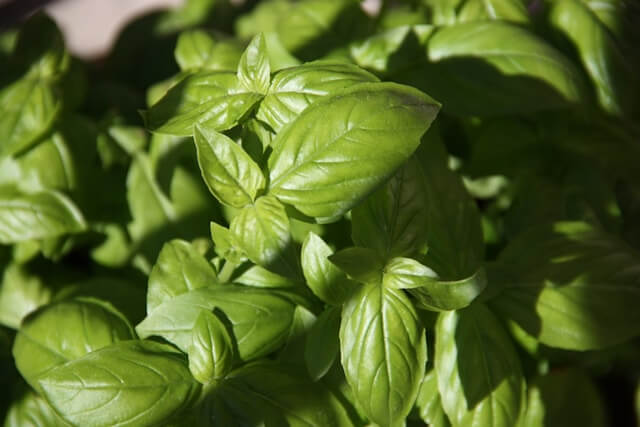
If you’ve been frustrated trying to find fresh basil at the store or noticed your favorite jar of pesto is missing from the shelf, you’re not alone. There’s actually a real shortage going on, and it’s not just one random bump in the road. Things have been tricky for basil growers and sellers for a few years now.
Before we get into what’s causing it, it helps to remember why basil matters to so many people in the first place. For home cooks and chefs, basil is in everything Caprese salads, Thai curries, margarita pizzas, and those giant bunches in summer salads. It’s essential for pesto and is key in a lot of global cuisines. More recently, basil has also popped up in health drinks, teas, and even in skincare and aromatherapy, mainly because of its natural oils.
Now, let’s unpack what’s been behind the shortage and see where the market’s heading plus some of the ways growers and businesses are dealing with these basil-sized headaches.
The Shortage: A Bunch of Problems All at Once
If you’re guessing the pandemic played a part, you’re right. In 2021 and 2022, lots of basil farms had a tough time getting enough seasonal labor. With lockdowns and travel restrictions, fewer workers were around to plant, tend, or harvest. Processing plants got backed up or had to close for safety, and shipping took way longer than usual. Some fresh basil harvests actually went unpicked. At the same time, more of us were cooking at home and trying to eat healthy, which meant demand for fresh and organic herbs including basil shot up.
But the pandemic wasn’t the only factor. Growing basil is more unpredictable than it might seem. The plant needs mild, steady temperatures, and even short droughts can hit yields hard. Some experts say basil farmers have lost anywhere from 15% to nearly 30% of crop volume in drought-affected years. Regions like India, Egypt, and Turkey—big producers—have faced erratic weather for several seasons. Too much rain or sudden cold snaps can ruin entire fields, and basil doesn’t bounce back quickly.
A big issue is just how perishable basil is. Unlike hardier herbs (think thyme or rosemary), basil leaves wilt fast and need careful packaging and refrigeration. In places without good cold chains, lots of the crop is lost before it ever gets to a store.
Then, there are costs. Farmers are grappling with higher prices on seeds, water, cold storage, and even the electricity needed for indoor growing setups. Some costs have been driven up by tariffs or pandemic-era supply chain shifts that haven’t gone away. Meanwhile, downy mildew, a fungal disease that brown-spots and destroys basil crops, keeps popping up in major growing regions. There’s no easy cure—if it spreads, farmers have to rip out plants or try new varieties.
How the Market Has Changed (and Who’s Been Hit Hardest)
For shoppers, the first thing you probably noticed is the price jump. Fresh basil whether in those clamshell packs or live bunches has gotten more expensive, especially if you want organic or premium leaves. Some stores just haven’t stocked it consistently, or they carry smaller bunches at higher prices.
If you run a small food business a pizza place, salad bar, or farm-to-table restaurant that’s a major headache. The wholesale price hikes are even higher than what home shoppers see. Restaurants and packaged food companies have been forced to swap to dried basil, cut recipes, or try alternate herbs.
Then, there are the niche markets that have felt the pinch too. Essential oil makers and companies that produce herbal teas have seen costs rise fast. Basil essential oil is used in everything from natural insect repellent to stress relief roll-ons. According to recent reports, the basil essential oil market grew to nearly $95.6 million in 2023 and is headed for about $139 million by 2029, which is a pretty striking leap. The dried basil leaf market is also growing, but more slowly about $70 million by 2035, with an annual growth rate just under 2%.
Still, demand isn’t expected to drop off. Even with shortages, the basil business as a whole is set to grow at an annual rate of 3-4% well into the 2030s. More people worldwide are interested in fresh food, organic produce, and healthy eating, all of which keep basil near the top of the grocery list.
What Growers and Businesses Are Doing to Cope
So, with these shortages and rising prices, what’s actually changing on the ground? Several things, actually.
A lot of smaller shops and restaurants are buying from local or regional greenhouses to skip the shipping hassles. You might see more basil grown hydroponically or inside urban vertical farms. These systems need less water and allow for year-round production, even if outside weather’s terrible. That said, they require some investment up front, and greenhouses aren’t practical everywhere.
Basil producers are also working on new varieties that can handle drought, resist fungal diseases, and still taste good. It can take years to breed a better basil, but there’s been progress. In the last few years, you may have seen “downy mildew-resistant” basil in nurseries or seed catalogs. Those strains are quietly becoming a safety net for specialty growers and backyard gardeners.
More businesses have shifted online. E-commerce sales of fresh herbs and garden kits took off during the pandemic and haven’t slowed much. For basil, it means more customers are willing to buy seeds, plugs, and small plants and grow their own in kitchens or window boxes. The idea isn’t new, but the sense of control plus fewer delivery delays is appealing after all the recent disruptions.
On the production side, some large basil farms are working with consultants to make irrigation more efficient or trying solar-powered ventilation. Others use techy solutions like soil monitors and weather sensors, which can help improve yields even if conditions are unpredictable.
The Outlook: What to Expect for Basil Lovers and Producers
Even as lockdowns have eased, some issues from the last few years haven’t really gone away. Labor is still more expensive for a lot of farms, especially in Europe and the U.S. Droughts, floods, and unpredictable seasonal weather patterns keep threatening the main suppliers in Asia, Africa, and the Mediterranean.
There’s also new competition from synthetic and lab-based flavorings, especially for packaged sauces or frozen dishes. They don’t fully replace real basil, but some companies are shifting what they use to cut costs. It’s a trade-off home cooks and foodies will still want the real thing, but mass producers might blend in substitutes if basil prices spike again.
Still, there’s good news for anyone interested in home gardening, eco-farming, or the booming organic herb sector. Because the demand for organic basil is rising, growers are getting creative with techniques that require less water or pesticide. Organic suppliers can often charge higher prices, helping offset some production costs.
Agricultural experts recommend basil producers diversify their supply sources maybe not relying so much on one region or climate. They also push investment in better disease tracking and quick-responding irrigation systems. From a business standpoint, it’s about building resilience, so if one harvest goes bad, a farmer isn’t wiped out.
If you’re keen on new business models, some observers think the next several years will see more partnerships between tech startups and big farms. Think sensors, smarter greenhouses, or on-demand delivery for fresh herbs. And for small-scale growers or family farms, finding direct-to-consumer sales channels, like local markets or subscription boxes, could help balance out the risks.
Later on, continued growth in home gardening might soften the effects of some supply problems if people can reliably grow their own basil, at least part of the market is cushioned. That said, nothing will fully erase the challenges posed by climate change and supply chain volatility.
For deeper takes on related shifts in global food markets and supply chains, check out resources like The Business Deck, which covers trends and strategies in the food sector.
Where Things Stand Right Now
It’s fair to say the basil shortage has stuck around longer than anyone wanted. It’s a mess of factors pandemic aftershocks, weather disasters, and plant diseases that all came together at a bad time. Grocery prices for basil are still high, and some businesses have to scramble or rethink their usual supplies.
But we’re also seeing steady workarounds and some real innovation. More resilient basil breeds are slowly catching on, home gardening is more popular, and farms are experimenting with tech to limit losses.
If you’re buying basil, you might pay a bit more, or you’ll see local or specialty varieties instead of imports. For those working in the food business, keeping flexible and investing in reliable sourcing is the smart play.
Nobody who depends on basil should expect things to suddenly get easier. But if you love your pesto or keep a backyard herb garden, it’s worth keeping an eye on new options and sticking with what works while hoping next growing season brings a few more “fresh basil is back” signs to the store.
Also Read:
